
About VitaComm Education
Valuing People & Nature: The Things We Choose to Protect

Valuing People & Nature: The Things We Choose to Protect
The SPIRIT Framework is built around ten transversal skills that we believe can help today’s children prepare for tomorrow’s world. Rather than exploring them all at once, this series takes a moment to reflect on each one individually. Together, these ten skills form the heart of the framework: emotional awareness, regulation and communication; creativity; problem-solving; critical thinking; resilience; flexibility; curiosity, sense of wonder and openness; empathy; valuing people and nature; and connectedness. This time, we turn our attention to valuing people and nature—a skill that invites children to look beyond themselves and recognise the worth of the world they are part of.
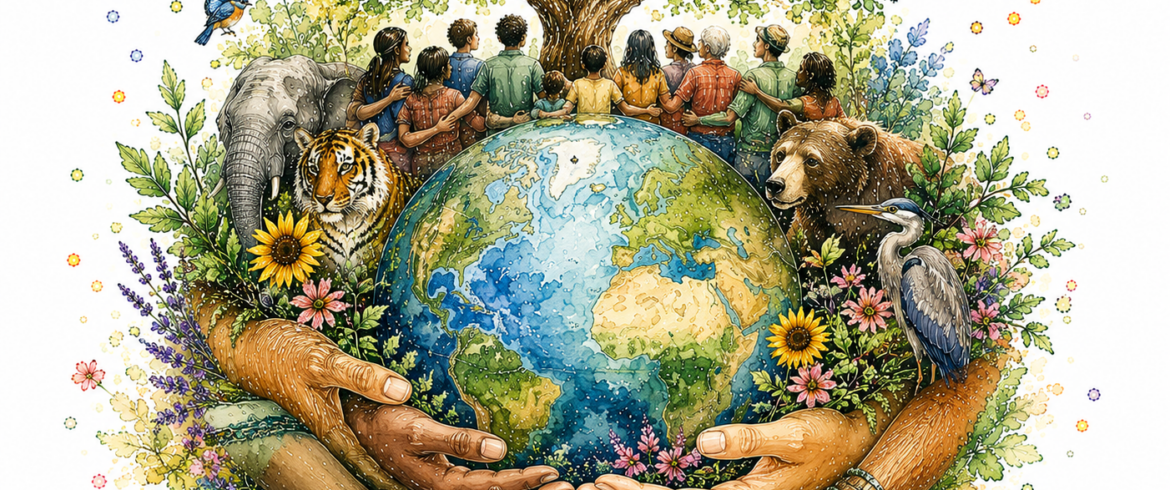
Children are naturally drawn to what is alive. They stop to watch insects cross the pavement, collect leaves that adults walk past without noticing, ask endless questions about animals, and become fascinated by people whose lives seem different from their own. Somewhere within these ordinary moments lies the beginning of something much bigger: learning to recognise value beyond ourselves. The SPIRIT Framework describes this skill as recognising the intrinsic worth of both human beings and the natural world, while understanding that our own well-being is deeply connected to theirs. It is not simply about learning to recycle or care for the environment, important as those actions are. It is about developing a way of seeing the world—one that understands people, communities and nature are not separate, but deeply interconnected.
During the primary school years, children are especially ready to develop this understanding. Through stories, outdoor exploration, collaborative activities and everyday acts of responsibility, they begin to discover that their choices have consequences. They learn that kindness strengthens communities, that caring for a plant requires patience, that wasting resources affects others, and that even small actions can make a meaningful difference. Gradually, awareness becomes understanding, and understanding becomes action. In this way, valuing people and nature grows alongside empathy, curiosity and responsibility, helping children develop not only knowledge, but a genuine sense of stewardship for the world around them.
Perhaps one of the greatest lessons education can offer is that the world is not simply something we inherit. It is something we become part of. When children learn to value both people and nature—not because they have been told to, but because they recognise their inherent worth—they begin to understand that caring for the world is, in many ways, caring for one another. And that may be one of the most enduring lessons they carry with them into the future.
