
About VitaComm Education
When Learning Becomes an Experience

When Learning Becomes an Experience
Over the past few articles, we’ve reflected on the ideas that lie at the heart of the SPIRIT Framework. We’ve explored the ten transversal skills and the values they seek to nurture, from emotional awareness and curiosity to resilience, empathy and connectedness. We have also considered the importance of seeing the child before the lesson, recognising that meaningful learning begins with understanding where each child is in their own developmental journey. Naturally, this leads to the next question: How do these ideas become part of everyday learning?
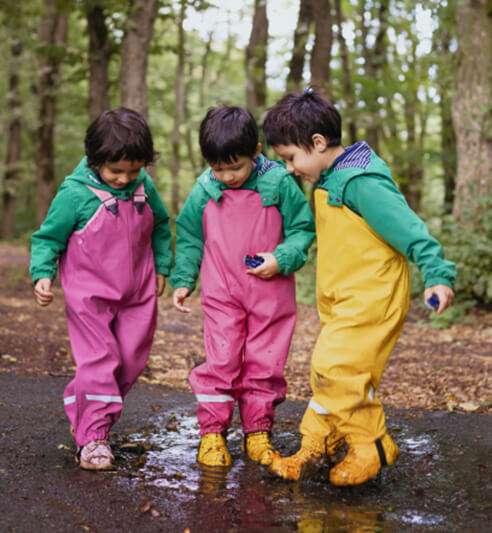
The answer is both wonderfully simple and deeply intentional. Children do not develop transversal skills by hearing about them once or by memorising their definitions. They develop them by experiencing them. A disagreement during a group activity becomes an opportunity to practise empathy. A challenge that doesn’t go to plan becomes an opportunity to develop resilience. A question that sparks an unexpected conversation becomes an invitation to think critically or explore with curiosity. Every meaningful learning experience has the potential to nurture much more than knowledge—it can help shape habits, attitudes and ways of relating to the world. This is the philosophy that sits at the heart of the SPIRIT Framework and the experiential learning approach that guides it. Rather than separating learning from life, it encourages children to experience, reflect, understand and try again, allowing skills to develop naturally through meaningful participation.
To help teachers bring this philosophy into the classroom, the SPIRIT project has developed three complementary toolboxes. Each offers a different pathway for nurturing the same transversal skills. Some experiences are built through carefully designed learning activities that encourage discussion, reflection and collaboration. Others emerge through traditional games, where children often practise communication, teamwork and problem-solving without even realising it. A third pathway invites children to explore the world through STEAM activities, connecting science, technology, engineering, the arts and mathematics in ways that foster creativity, curiosity and real-world thinking. Different approaches, but one shared purpose: creating experiences where children can actively develop the skills that will support them throughout their lives.
In the articles that follow, we’ll step inside each of these toolboxes to explore not only what they contain, but why they matter. Because perhaps the most meaningful educational resources are not the ones that simply fill a lesson. They are the ones that create moments children will carry with them long after the lesson has ended.
