
About VitaComm Education
Connectedness: We Belong to Something Bigger

Connectedness: We Belong to Something Bigger
The SPIRIT Framework is built around ten transversal skills that we believe can help today’s children prepare for tomorrow’s world. Rather than exploring them all at once, this series has taken a moment to reflect on each one individually. Together, these ten skills form the heart of the framework: emotional awareness, regulation and communication; creativity; problem-solving; critical thinking; resilience; flexibility; curiosity, sense of wonder and openness; empathy; valuing people and nature; and connectedness. We end this journey with connectedness—a skill that reminds us that none of the others truly exists in isolation.
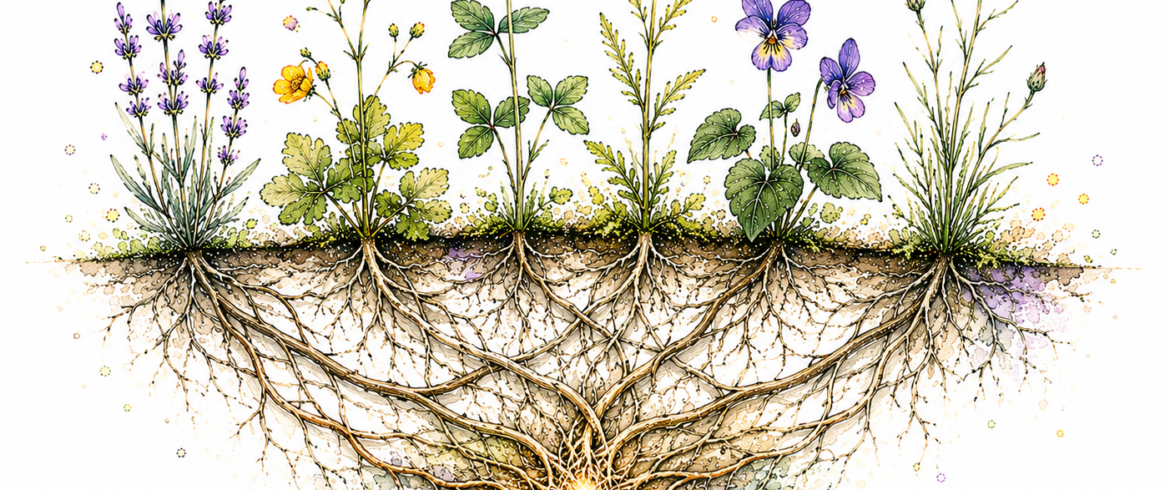
From the moment children enter the world, they learn through relationships. They learn language because someone speaks to them. They discover kindness because someone shows it. They begin to understand fairness, responsibility and belonging through the people, places and communities that surround them. As they grow, their world gradually expands—from family, to school, to neighbourhood, and eventually to a wider world filled with different cultures, experiences and perspectives. The SPIRIT Framework describes connectedness as recognising that we are part of something larger than ourselves: understanding our shared humanity, appreciating our interdependence and recognising that our choices, however small, have an impact on others and on the world we share.
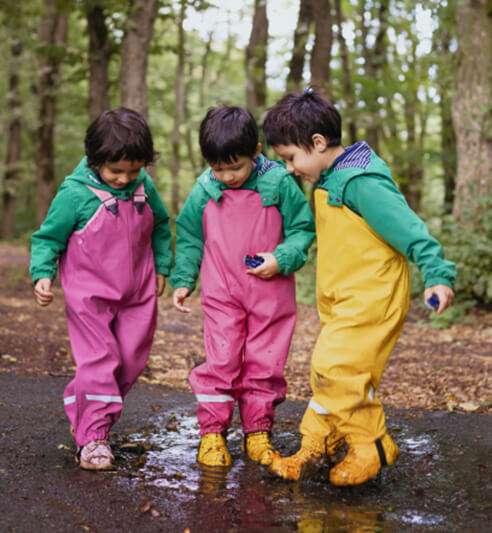
For children between the ages of six and ten, this understanding begins with simple, everyday experiences. Working together on a classroom project, welcoming a new classmate, caring for a plant, helping a friend or taking responsibility for a shared space all become opportunities to discover that individual actions contribute to something greater than the individual alone. Gradually, connectedness grows beyond cooperation. It becomes a way of seeing the world—one that values diversity, encourages empathy, strengthens communities and nurtures a sense of shared responsibility for both people and the environment. In many ways, it brings together everything the SPIRIT Framework hopes to cultivate: curiosity, compassion, resilience, thoughtful action and respect for others.
Perhaps that is the quiet lesson that sits at the heart of this entire journey. Education is not only about helping children discover who they are. It is also about helping them discover where they belong. When children understand that they are part of something larger than themselves, they begin to see that every act of kindness, every thoughtful question, every challenge overcome and every choice to care reaches further than they may ever know. And perhaps that is what preparing children for the future is truly about—not simply equipping them for the world they will inherit, but helping them become the kind of people who will help shape it, together.
